Blue Eye Samurai Store: How the TV Show Redefines Action
When the new series Blue Eye Samurai Store burst onto streaming platforms, it did more than just add another title to the ever‑growing list of samurai dramas. It challenged the conventions of the action genre, blending fierce swordplay with cyber‑punk aesthetics and a narrative depth that feels fresh yet reverent. From the very first episode, viewers are drawn into a world where honor clashes with technology, and the fight choreography feels like a dance choreographed for the digital age. This blog explores how the show redefines action, setting a new benchmark for storytelling and visual spectacle.
How the Show Reimagines Classic Samurai Action
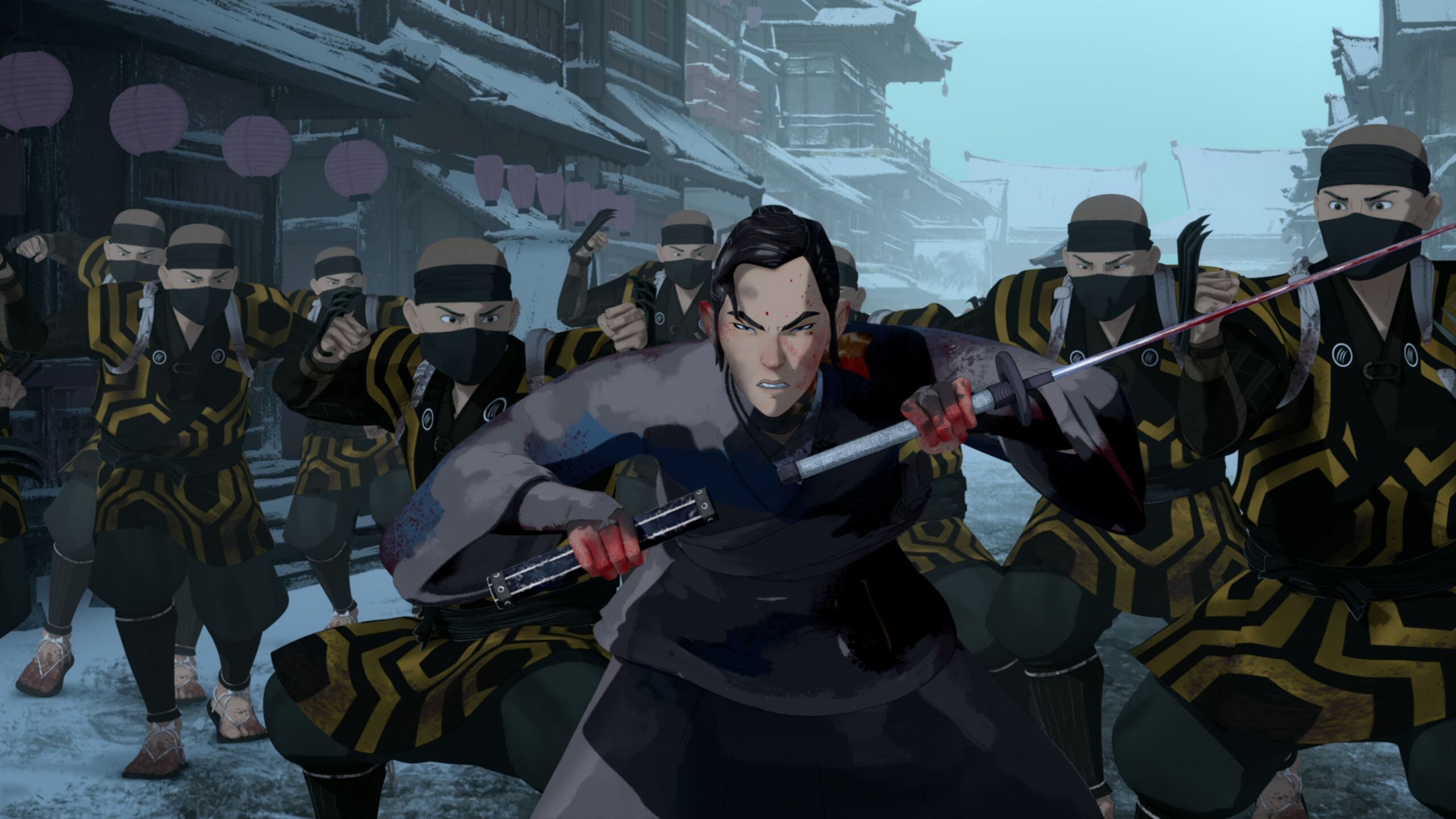
The series takes the timeless code of the samurai—bushido—and injects it with modern dilemmas. Instead of feudal lords, the protagonists face corporate warlords who wield power through data streams and augmented reality. Sword fights are no longer confined to quiet bamboo groves; they erupt on neon‑lit rooftops, in virtual arenas, and within the flickering code of the network. This blend creates a kinetic energy that feels both nostalgic and groundbreaking. By preserving the discipline and precision of traditional combat while layering it with high‑tech weaponry, the show offers a fresh perspective that keeps long‑time fans and newcomers alike on the edge of their seats.
Visual Style and the Influence of the Store's Aesthetic
The visual identity of Blue Eye Samurai Store is unmistakable. Its color palette oscillates between deep midnight blues and electric magentas, echoing the titular “blue eye” motif that symbolizes clarity amidst chaos. Production designers borrow heavily from contemporary streetwear, giving the samurai armor a sleek, modular look that could belong in a futuristic boutique. This aesthetic does more than look cool—it reinforces the narrative theme that tradition can evolve without losing its essence. Each frame feels meticulously crafted, making fight sequences as much a visual art piece as a narrative device.
Character Depth and Modern Storytelling
Beyond the dazzling action, the series invests heavily in character development. Protagonists grapple with identity crises, moral ambiguity, and the weight of legacy. The central hero, a disgraced ronin turned corporate mercenary, wrestles with the loss of his honor while navigating a world where loyalty is bought. Supporting characters bring diverse perspectives—an AI‑enhanced strategist who questions humanity, and a street‑wise hacker whose code is as sharp as a katana. These layered personalities enable the show to explore themes of redemption, sacrifice, and the cost of progress, making the action sequences carry emotional weight.
Impact on the Action Genre and Fan Community
Since its debut, the series has sparked conversations across fan forums and industry panels. Critics praise its daring fusion of period drama and sci‑fi, noting that it sets a new standard for genre hybridization. Viewers have begun creating fan art that mirrors the store’s bold visual language, and cosplay communities celebrate the intricate costume designs that blend traditional armor with futuristic accessories. Moreover, the show's success has encouraged other creators to experiment with similar cross‑genre storytelling, suggesting that the influence of Blue Eye Samurai Store will ripple through future productions for years to come.
In conclusion, Blue Eye Samurai Store does more than deliver high‑octane combat; it redefines what action can mean in an era of rapid technological change. By honoring the spirit of the samurai while embracing a bold, modern aesthetic, the series proves that innovation and tradition can coexist on the same battlefield. Whether you're a seasoned action aficionado or a curious newcomer, the show offers a thrilling, thought‑provoking experience that reshapes the genre’s landscape.